

- 2026-04-17
- posted by Aung Nyi Thit
- System
What Is an AI Agent — and Why Laravel Makes Them Easy to Build
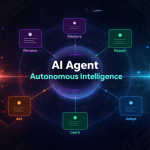
Most "AI integrations" just call an API and return text. An AI agent is different — it thinks, decides, and acts across multiple steps without you holding its hand. Here is what that actually means and why Laravel's AI SDK turns this from a complex architecture problem into a clean, intuitive workflow.
What is an AI agent?
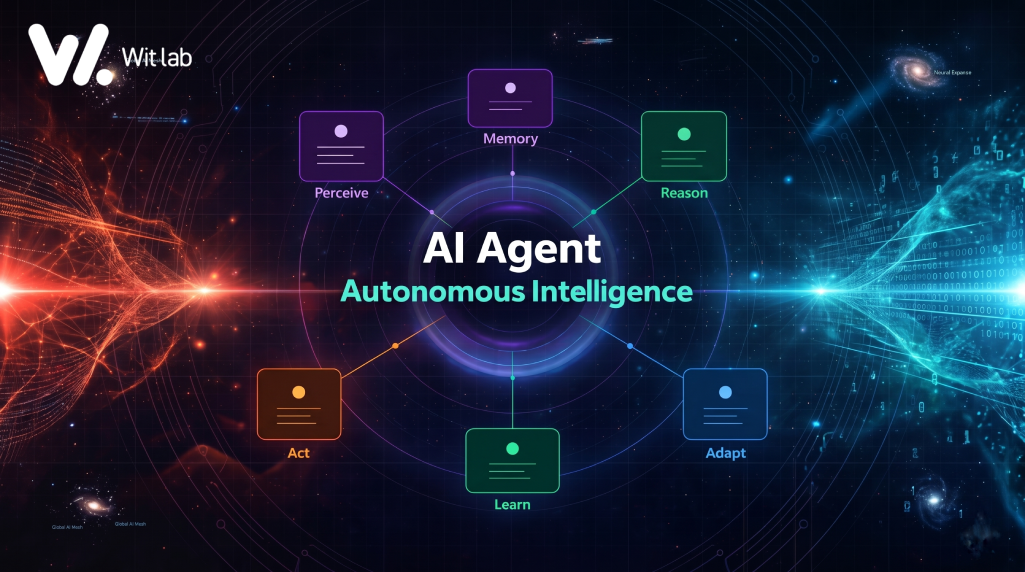
A traditional AI call is a single round trip: you send a prompt, the model replies, done. An AI agent is a system that can pursue a goal over multiple steps—using tools, making decisions, and adjusting course based on what it finds.
Think of it like the difference between asking a colleague a question and actually delegating a project to them. The agent handles the back-and-forth until the task is complete.
Key features of an AI agent
- It takes actions — it can call tools, search databases, trigger workflows, or interact with external APIs on its own.
- It reasons across steps — rather than answering once, it breaks problems into sub-tasks and works through them sequentially.
- It adapts — if a tool call fails or returns unexpected data, the agent can try a different approach without crashing.
- It has memory within a session — the full conversation history (messages) is available so it doesn't lose context mid-task.
- It knows when to stop — via a defined schema or a max steps limit, preventing runaway loops.
How do AI agents work?
At the core, an agent runs a loop: think → act → observe → repeat. The model receives a goal, decides which tool to use, calls it, reads the result, and then decides what to do next. This continues until the agent reaches a conclusion or hits a stopping condition.
The key inputs to this loop are instructions (the system prompt that defines the agent's role), tools (capabilities it can invoke), and messages (the running history of what has happened so far).
The Laravel AI SDK — agents without the boilerplate
The Laravel AI SDK gives you a fluent, expressive interface for building agents that fits naturally into how Laravel developers already think. Instead of wiring up HTTP clients, managing conversation state, and handling tool dispatch manually, you configure an agent in one place and let the SDK handle the loop.
The four core methods
- instructions() — defines the agent's personality, role, and constraints. This is your system prompt. Clear instructions mean predictable behavior.
- tools() — registers the capabilities the agent can invoke, from database lookups to external API calls. The model sees their signatures and chooses when to use them.
- messages() — provides the conversation history so the agent retains context across every step of its reasoning loop.
- schema() — defines a structured output format. When you need a predictable JSON shape back from the agent, this ensures the model knows exactly what to return.
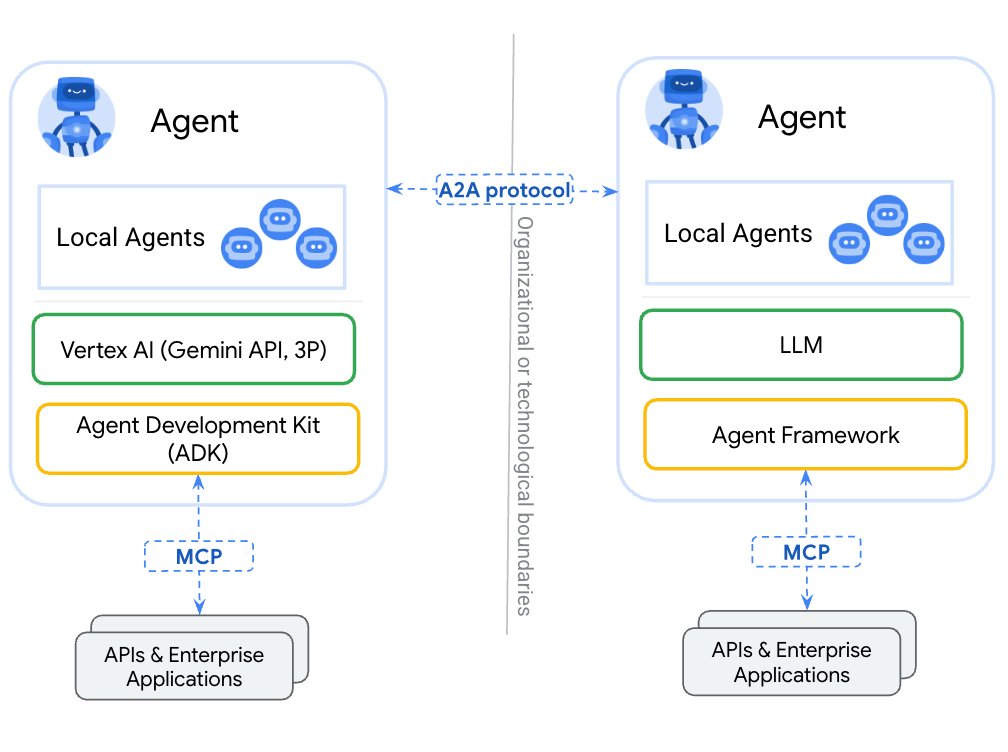
Agent2Agent (A2A) for enterprise workflows
For complex enterprise systems, the Agent2Agent (A2A) protocol allows agents to communicate with and delegate to other agents. Rather than one agent handling everything, you compose a network of specialists—a routing agent that delegates to a billing agent, a compliance agent, and a reporting agent, each scoped to what it does best. A2A makes that orchestration standardized and interoperable.
AI agents are not a trend — they are the new baseline
A single API call answers a question. An agent gets work done. That distinction matters more as software expectations shift toward systems that can reason, adapt, and act autonomously over many steps.
The Laravel AI SDK removes the hardest parts of that shift. You define what the agent knows, what it can do, and how it should behave — the SDK handles the rest. Whether you are building a lightweight single-agent feature or a full Agent2Agent enterprise workflow, the same mental model applies.
Ref: